Every artist knows the feeling. You sit down, coffee in hand, sketchbook open, ready to create a masterpiece. But then it happens. The pristine whiteness of the paper stares back at you, intimidating and empty. You want to draw, but you have absolutely no idea what to draw. This is the dreaded creative block, and it affects everyone from hobbyist doodlers to professional concept artists.
Fortunately, there is a simple antidote to this paralysis: drawing prompts. Whether you are a digital illustrator looking to expand your portfolio or a traditional sketcher trying to build a daily habit, these simple creative nudges can be the catalyst you need to get your pencil moving.
In this guide, we will explore exactly what drawing prompts are and why they are so effective at hacking your creativity. You will find a massive list of ideas to get you started immediately, strategies for using them effectively, and tips on how to craft your own unique challenges. By the end of this post, you’ll never have to fear the blank page again.
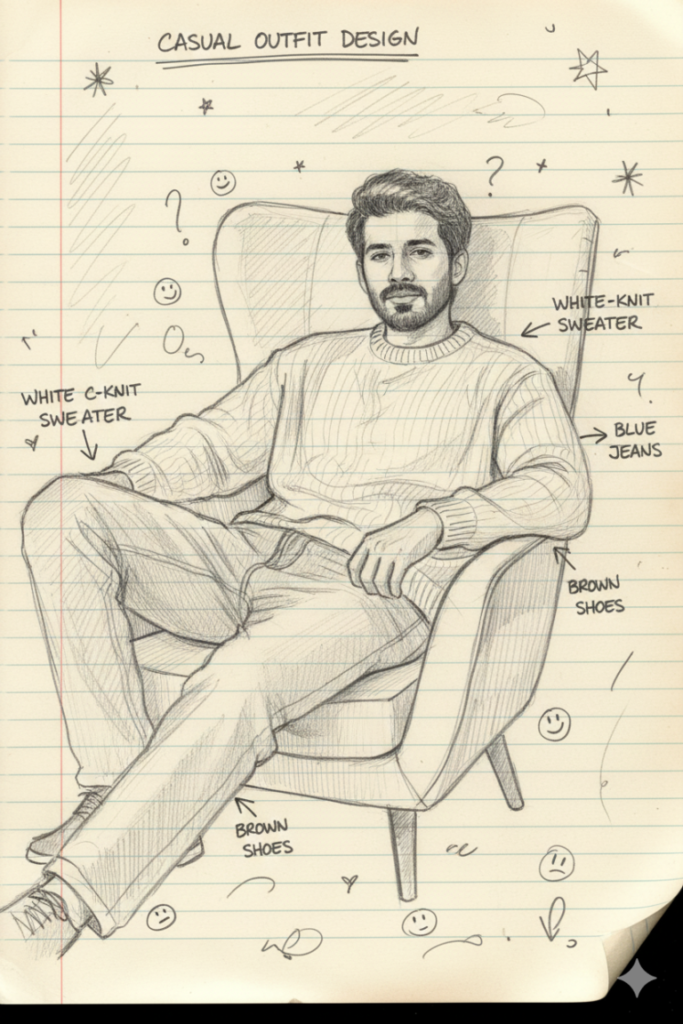
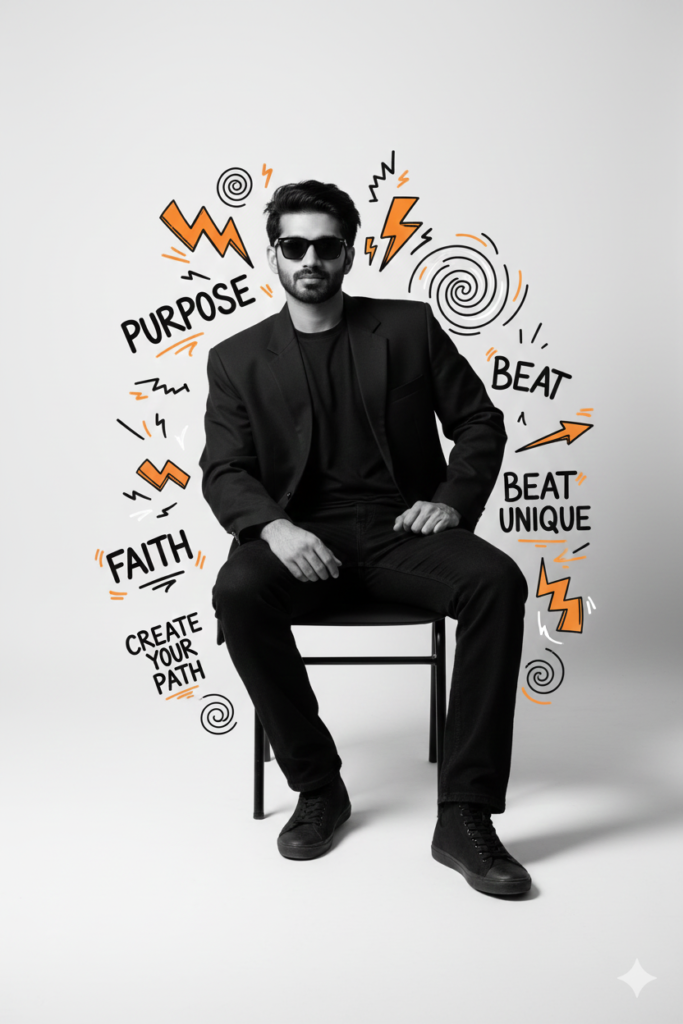
Click on the image to view Drawing prompts
What Are Drawing Prompts?
At its core, a drawing prompt is simply a starting point. It is a word, phrase, sentence, or scenario designed to spark a specific idea for an illustration. Instead of relying on the unpredictable lightning strike of inspiration, prompts give you a concrete direction.
The Psychology of Constraints
It might seem counterintuitive, but absolute freedom often kills creativity. When you can draw anything, your brain becomes overwhelmed by the infinite possibilities. This phenomenon, often called “blank page paralysis,” is a form of decision fatigue.
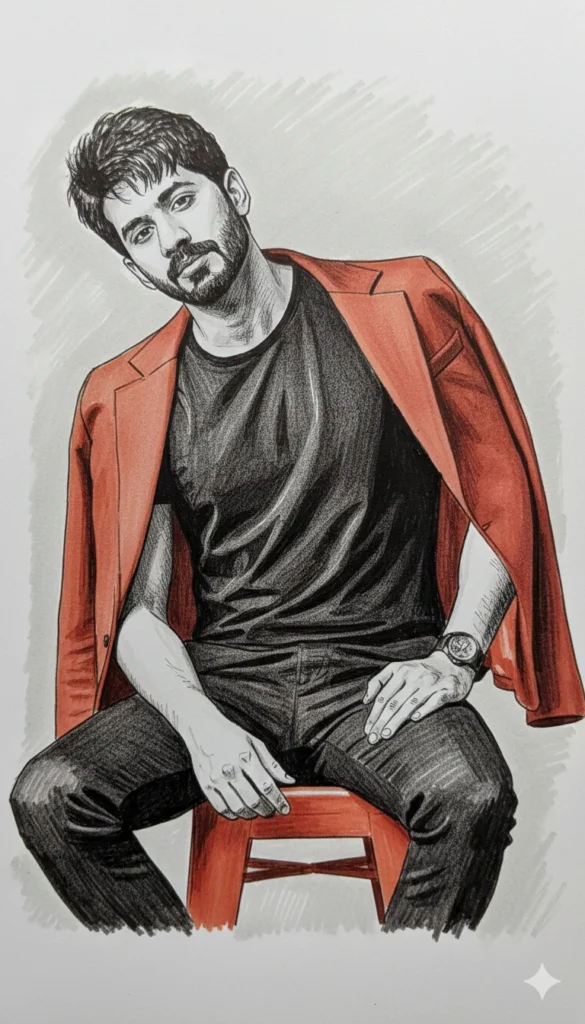
Drawing prompts solve this by introducing constraints. According to Dr. Patricia Stokes in her book Creativity from Constraints: The Psychology of Breakthrough, limits actually force the brain to be more innovative. When you are told to draw “a futuristic botanist,” your brain no longer has to worry about the “what.” It can focus entirely on the “how.” You skip the agonizing decision-making phase and jump straight into problem-solving and visualization.
Types of Prompts
Art prompts come in many flavors, catering to different skill levels and interests:
- Single-Word Prompts: Open-ended words like “Silence,” “Growth,” or “Heavy.”
- Scenario Prompts: Detailed situations like “A dragon hoarding something other than gold.”
- Technical Prompts: Instructions focused on technique, such as “Draw a hand using only straight lines.”
- Generator Prompts: Random combinations of subjects, settings, and moods.
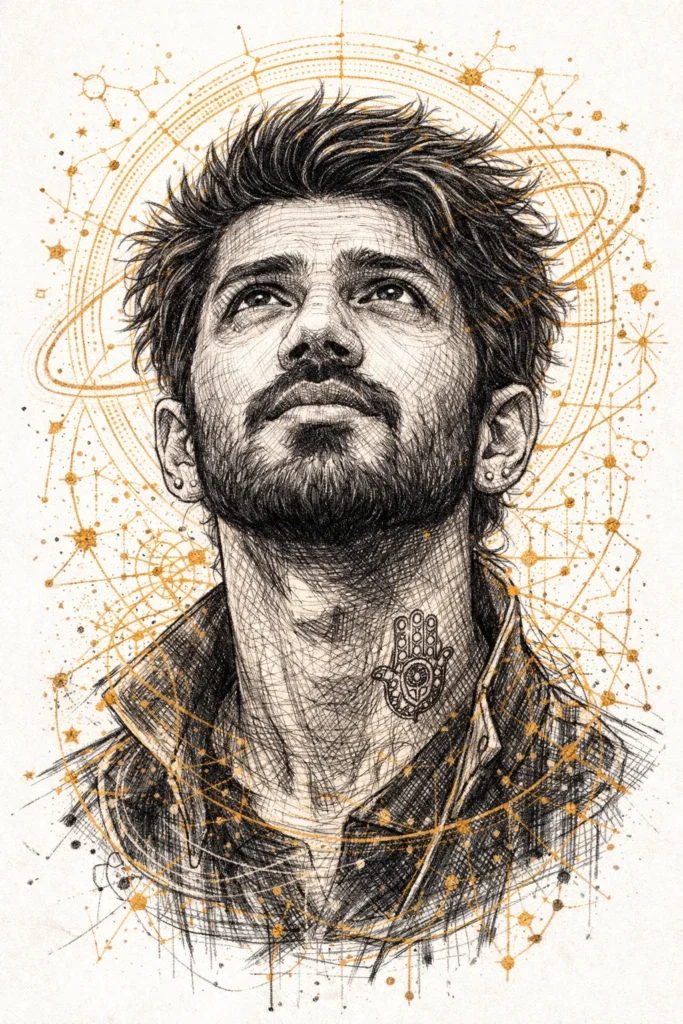
Why You Should Use Art Prompts Daily
Integrating drawing prompts into your routine does more than just cure temporary boredom. It is a powerful way to level up your artistic abilities over time.
1. Skill Building Through Variety
We all have our comfort zones. Maybe you are great at drawing eyes but terrible at drawing hands. Maybe you only ever draw anime characters looking to the left. Left to your own devices, you will likely keep drawing what makes you feel safe.
Random art prompts or drawing prompts force you to tackle subjects you would never choose for yourself. If a prompt asks for “a cyborg horse running through a canyon,” you suddenly have to learn how to draw equine anatomy, mechanical textures, and rock formations all at once. This forced variety accelerates your growth and helps you tackle weak points in your skillset.
2. Consistency and Habit Formation
The hardest part of maintaining a daily art habit is the friction of starting. If you have to spend 20 minutes brainstorming ideas every day, you are likely to give up before you make a single mark.
Prompts remove that friction. When the decision is made for you, the barrier to entry lowers significantly. You can sit down, read the prompt, and start sketching within seconds. This ease of access is crucial for building the kind of consistency that leads to mastery.
3. Creating a Diverse Portfolio
If you are looking to work professionally, art directors want to see range. A portfolio filled with 20 similar portraits of the same elf character might show you are good at elves, but it doesn’t show you can handle a commercial brief.
By using a wide variety of prompts, you naturally build a diverse body of work. You will end up with pieces ranging from character design and environmental art to prop design and abstract concepts.
Tip: Combine your daily sketching with the powerful creative workflow tools on Vinlyee Pro to organize and refine your growing portfolio.
50+ Drawing Prompts to Get You Started
Ready to start sketching? Here is a curated list of drawing prompts broken down by category. Pick one at random, or work your way down the list.
Character Design Prompts
These prompts are great for practicing anatomy, costuming, and storytelling.
- A knight who fights with a giant spoon instead of a sword.
- A futuristic botanist discovering a new alien plant.
- A toddler with the powers of a weather god.
- An exhausted vampire working a night shift at a convenience store.
- A deep-sea diver from the year 1800.
- A rogue robot who adopts a stray kitten.
- A fashion model wearing clothes made entirely of trash.
- An orc who is actually a gentle baker.
- A superhero whose only power is controlling insects.
- An elderly wizard trying to use a smartphone.
- A pirate captain who is afraid of water.
- A ghost who is terrible at haunting people.
Environment Prompts
Use these to practice perspective, lighting, and world-building.
13. An underwater library where books are waterproof.
14. A bustling city built inside the skeleton of a giant beast.
15. A cozy cottage resting on the back of a wandering turtle.
16. A secret laboratory hidden inside a volcano.
17. A train station in the clouds.
18. An abandoned amusement park reclaimed by nature.
19. A cyberpunk street market selling memories.
20. A treehouse village for tiny people.
21. The inside of a genie’s lamp.
22. A desert oasis that is actually a mirage made of glass.
23. A frozen waterfall with a cave behind it.
24. A diner at the edge of the universe.
Abstract & Mood Prompts
These art prompts are perfect for expressing emotion and experimenting with color theory.
25. Melancholy.
26. Electric energy.
27. The sound of silence.
28. Overwhelming joy.
29. A forgotten memory.
30. Claustrophobia.
31. The feeling of falling.
32. Nostalgia for a place you’ve never been.
33. Chaos vs. Order.
34. Liquid gold.
35. Fragile.
36. Toxic.
Object Studies
Great for warm-ups and practicing texture rendering.
37. A melting clock.
38. Your favorite shoe reimagined as a spaceship.
39. A potion bottle containing a galaxy.
40. A sword made of crystal.
41. A mechanical heart.
42. A delicious meal made of inedible objects (bolts, screws, fabric).
43. An ancient key that unlocks nothing.
44. A bicycle designed for a spider.
45. A treasure chest that bites.
46. A musical instrument that doesn’t exist yet.
47. A skull carved with intricate patterns.
48. A lantern that glows with dark light.
“What If” Scenarios
- What if gravity worked in reverse for 10 seconds?
- What if animals could drive cars?
- What if trees could walk but moved very slowly?
- What if the moon was made of cheese (and we started mining it)?
How to Use Drawing Prompts Effectively
Having a list of ideas is the first step, but how you approach them matters. Here is how to get the most out of your practice.
Don’t Overthink It
The goal of a prompt is to get you working, not to paralyze you with perfectionism. Set a timer for 10, 20, or 30 minutes. This time limit adds another layer of constraint that forces you to prioritize the big picture over tiny details. Speed often kills hesitation.
Iterate Before You Commit
The first idea that pops into your head is usually the same idea everyone else has. If the prompt is “Apple,” don’t just draw a Red Delicious.
Try sketching three small “thumbnails”—tiny, rough sketches exploring different angles.
- A standard apple.
- A poisoned apple with a skull face.
- The “Big Apple” (New York City).
Usually, the second or third idea is the most creative one.
Combine Prompts
If a single prompt feels too simple, try smashing two unrelated lists together. Combine an Animal prompt with a Profession prompt.
- Animal: Octopus
- Profession: Doctor
- Result: Doctor Octopus (a surgeon with eight arms, multitasking in the ER).
Join a Community Challenge
One of the best ways to stay motivated is to participate in global art challenges. The most famous of these is Inktober, a month-long challenge where artists worldwide draw from the same prompt list every day in October. Similarly, ArtStation Challenges offer rigorous briefs that mimic real-world production environments, complete with deadlines and peer feedback. These communities provide accountability and inspiration, showing you how thousands of other artists interpreted the exact same words.
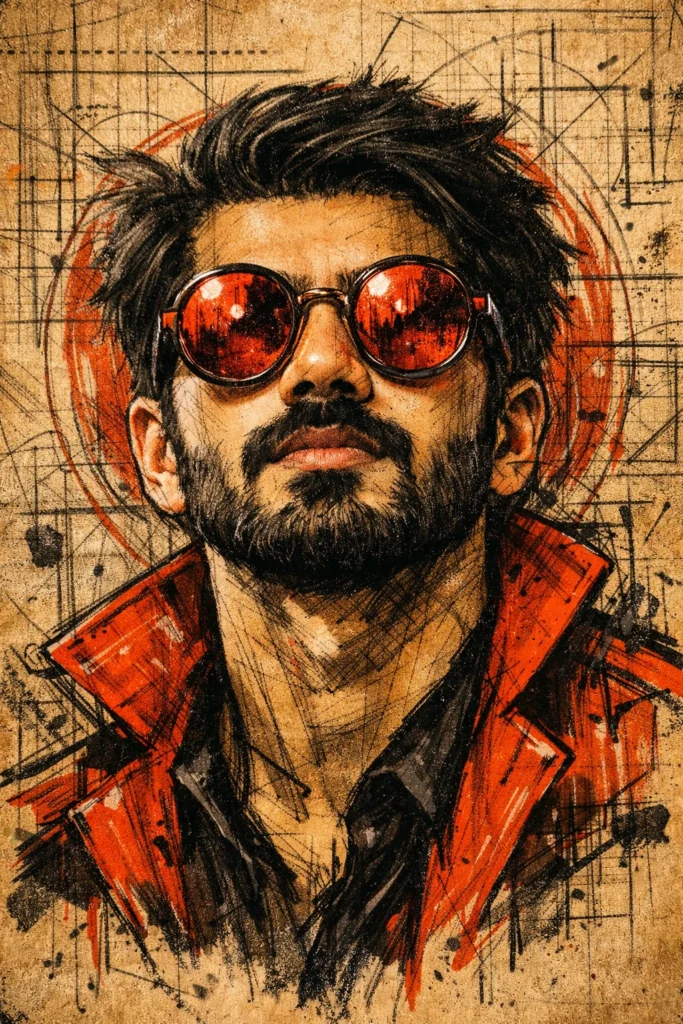
How i made this image by combining prompts lets break it down !
For this GTA Style Art image i use 2 prompts which i have posted on trending prompts page. Prompt1 ( Copy Prompt ) prompt 2 ( Copy Prompt ).
Step 1 :
Open Gemini
Step 2:
Upload your Image with clear face
Step3:
Select create images
Step 4:
Copy Prompt 1 and paste in gemini and hit ok
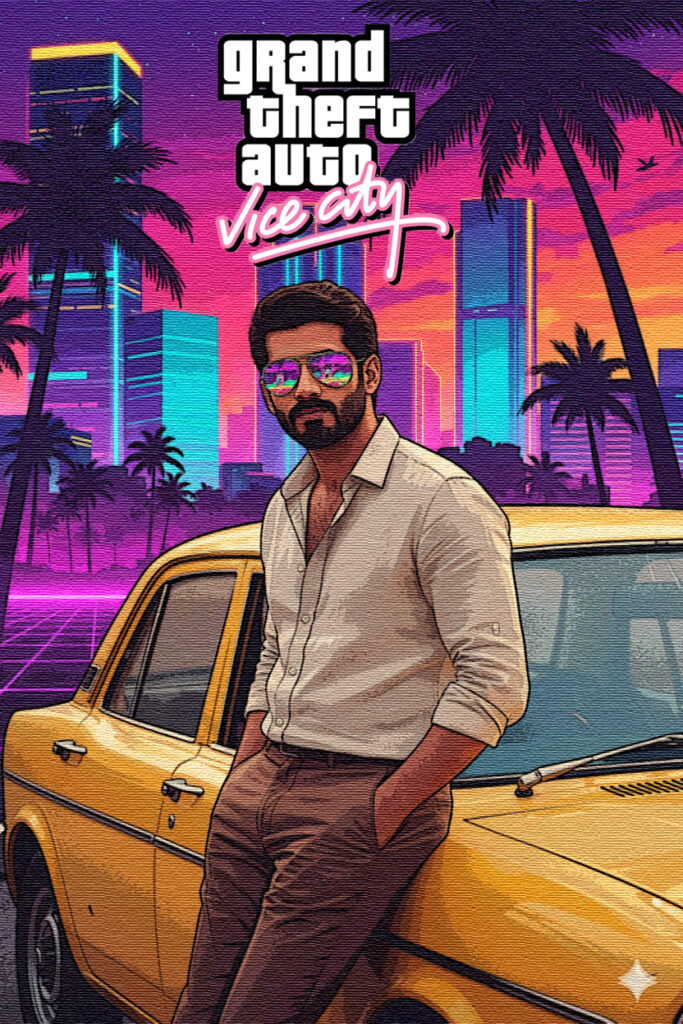
Now gemini will give an image which you will download and than give again with prompt 2. Than you will tell gemini to add GTA logo on Top Center of the image.
Just like this you will get the grand theft auto image. This is how you can combine prompts to make a new image. and also from all of the above process you can ask gemini to give you the prompt for this final image it has created. Or you can manually combine the instructions to make the final prompt.
Using AI for Inspiration
Artificial Intelligence isn’t just for generating images; it’s a fantastic brainstorming partner. You can use AI text generators to come up with bizarre, highly detailed scenarios you might never think of on your own.
If you are curious about how these prompts are structured for maximum effect, check out the trending AI prompts section on Vinlyee Pro. You can see how successful creators describe lighting, texture, and composition, and then adapt those descriptors for your manual drawing practice.
The Observation Journal
Keep a small notebook or a notes app on your phone dedicated solely to drawing prompts. Throughout your day, if you see something interesting—a weirdly shaped cloud, a person with a unique hat, a strange shadow—write it down. Over time, you will build a personalized library of drawing prompts based on your own life experiences.
From Prompt to Polished Piece: A Workflow
So you have your prompt. How do you take it from a word to a finished work of art?
Step 1: Brainstorming
Start by mind-mapping keywords associated with your prompt. If the prompt is “Winter,” write down: snow, ice, blue, cold, fire, blankets, hibernation.
Step 2: Reference Gathering
Don’t guess what things look like. If your prompt involves a wolf, find photos of wolves. Use sites like Pinterest to create a mood board.
Step 3: Sketching
Create your rough layout. Focus on composition and silhouette. This is the messy phase where you figure out where everything goes.
Step 4: Refinement
Whether you are using ink, watercolor, or digital software, this is where you clean up lines and add color.
Step 5: Optimization
Once your piece is finished, you’ll want to share it online. Large image files can slow down your portfolio site. Remember that you can optimize images of your artwork using Vinlyee Pro’s free utility tools. These browser-based tools ensure your art looks crisp without taking forever to load.
Conclusion
The “blank canvas” is only scary when you face it alone. With drawing prompts, you always have a partner in the creative process. They are the spark that lights the fire, the nudge that gets the ball rolling.
Remember, the quality of your sketch for a daily prompt doesn’t define your worth as an artist. The act of showing up, picking a prompt, and putting lines on paper is what counts. It builds the muscle memory and discipline that eventually leads to mastery.
So, bookmark this page for the next time you feel stuck. Grab a prompt, set a timer, and let your imagination run wild. And when you are ready to take your creative workflow to the next level, visit Vinlyee Pro to explore more resources and Vinlyeepro trending prompts designed to support your artistic journey.